Skip to content

Covered

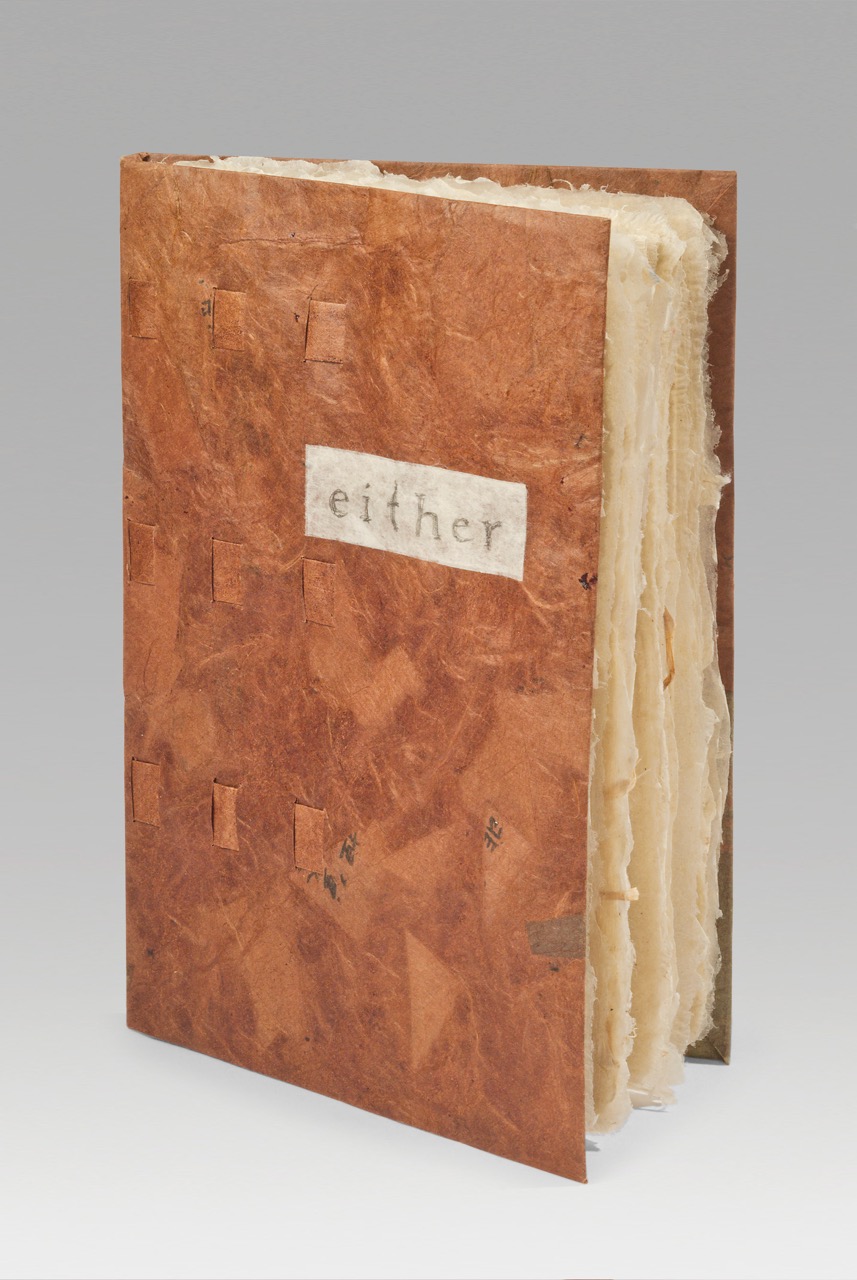
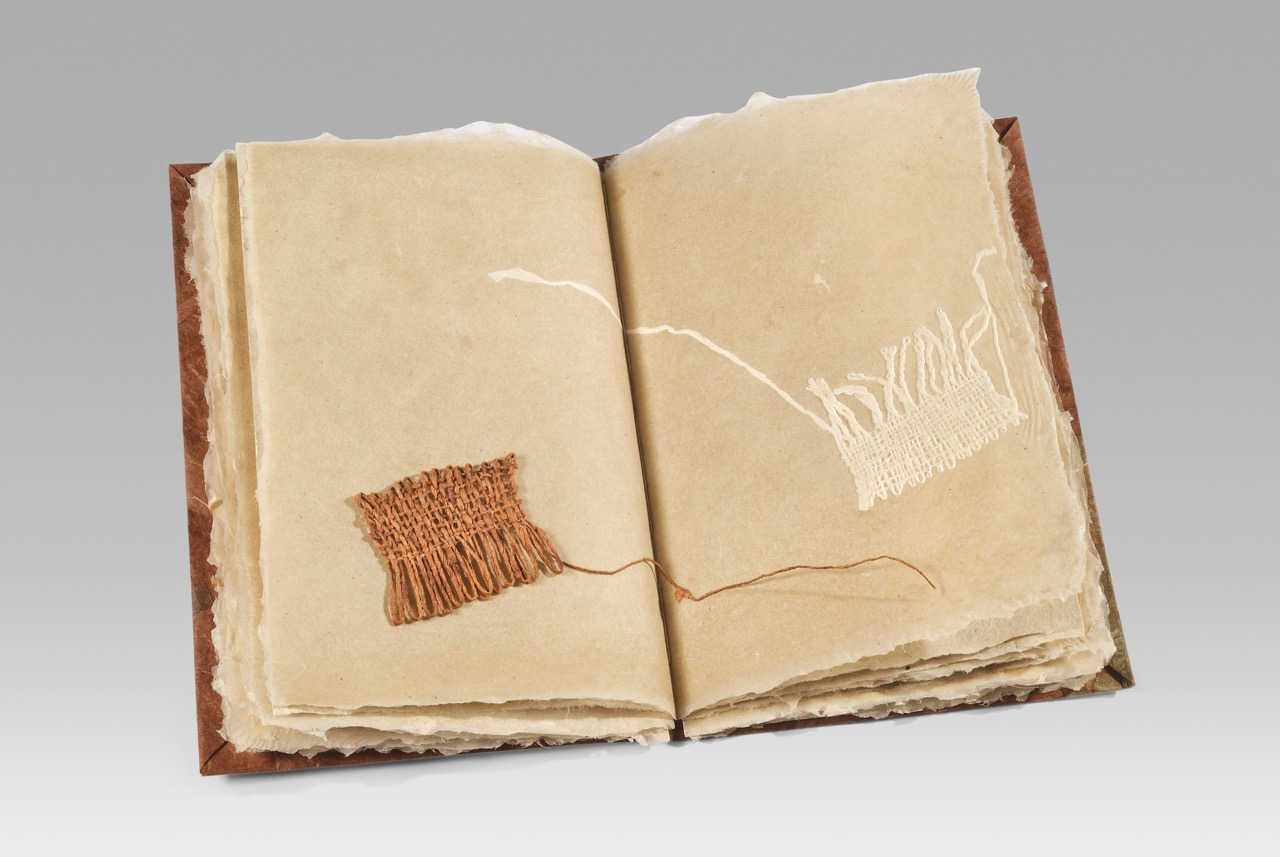
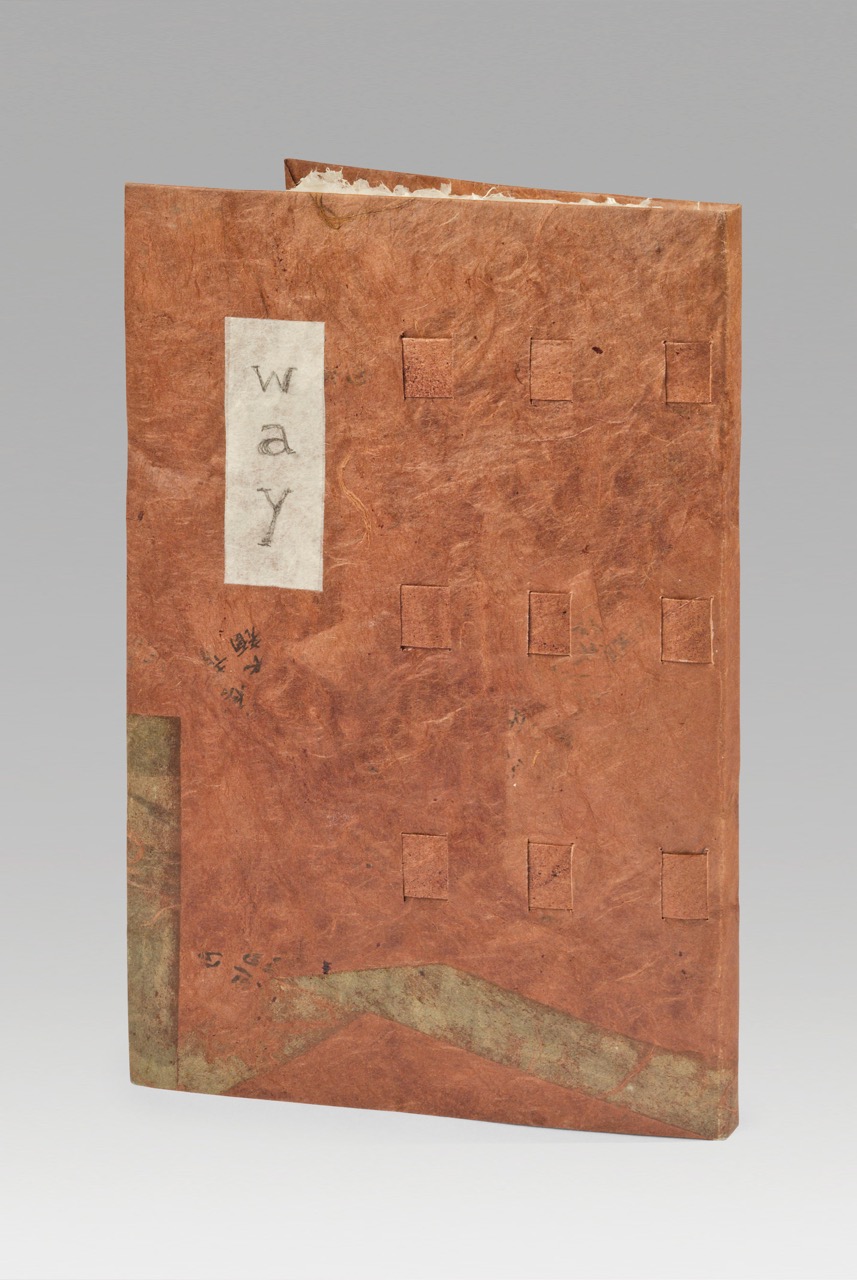
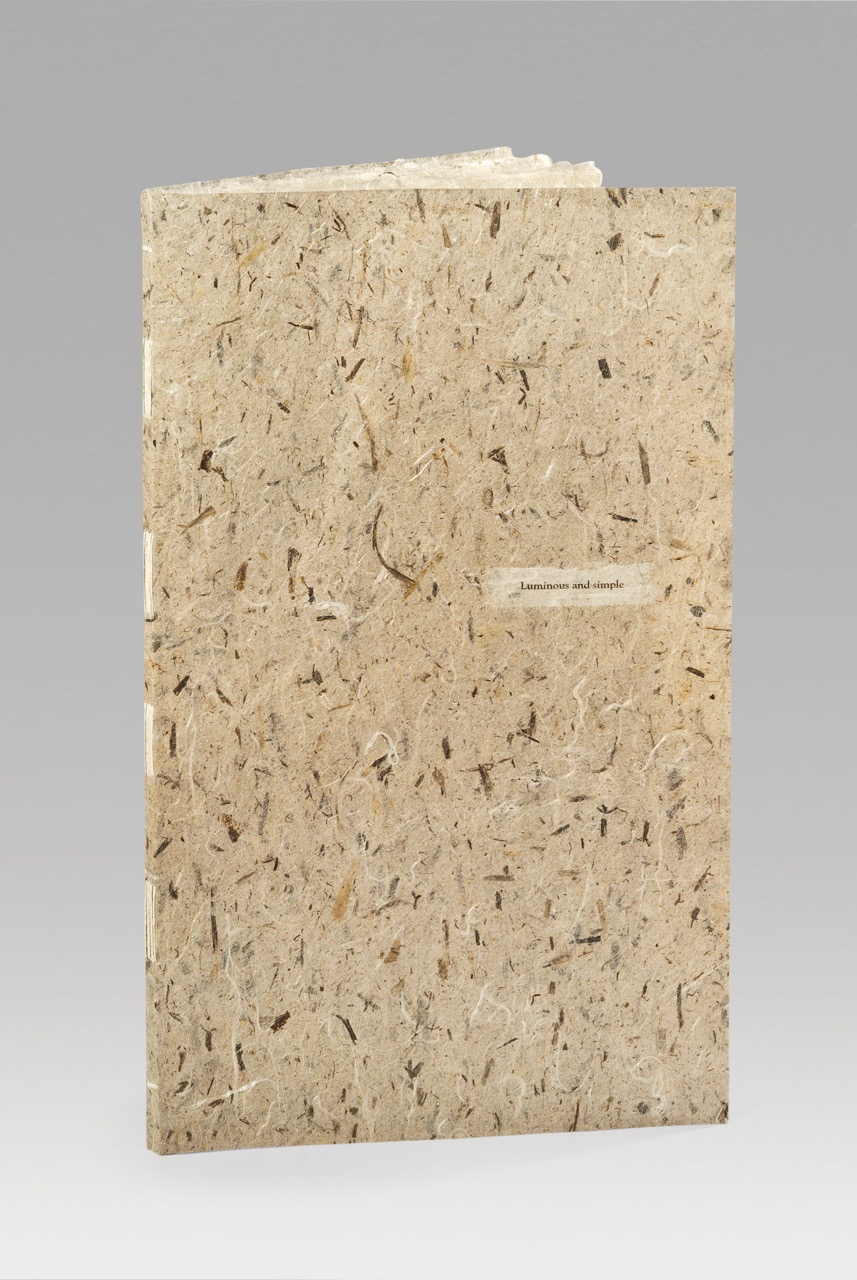
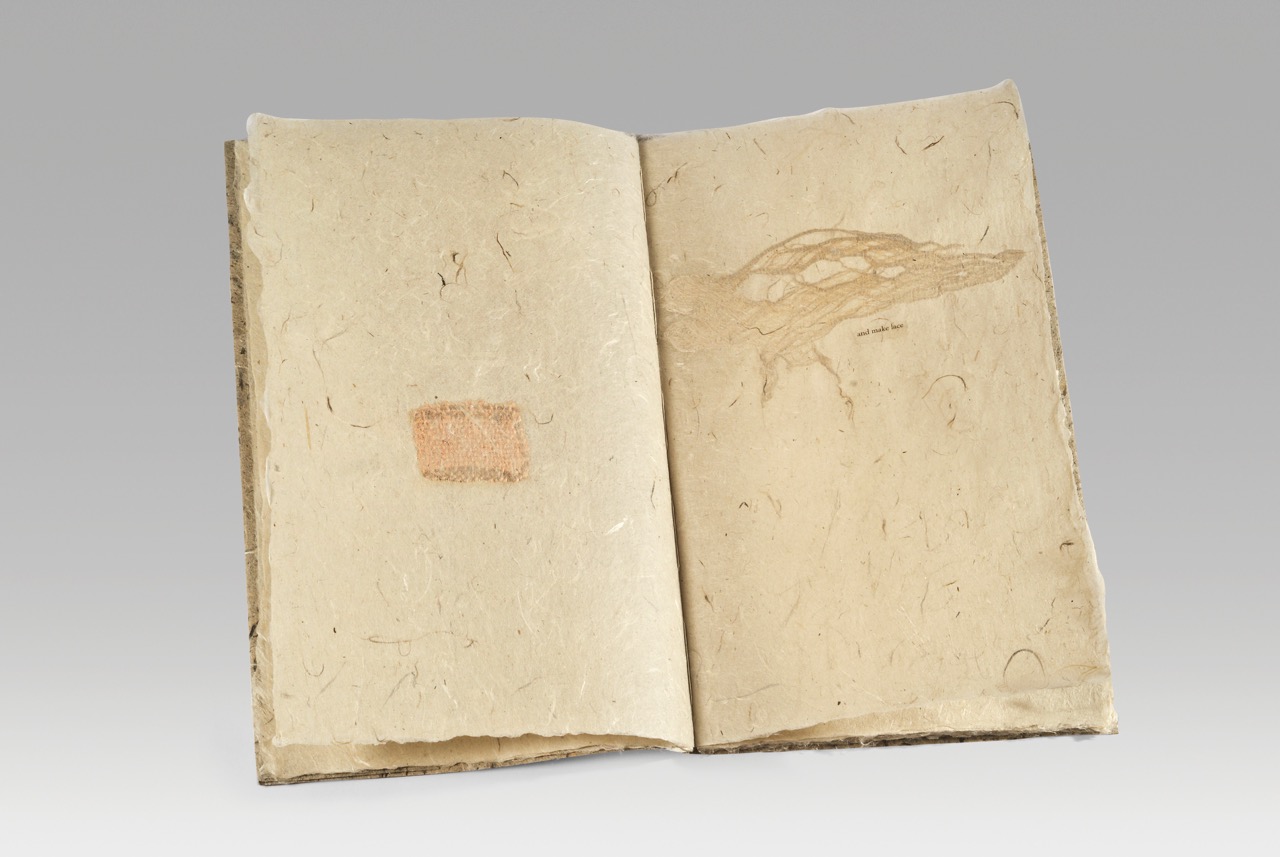
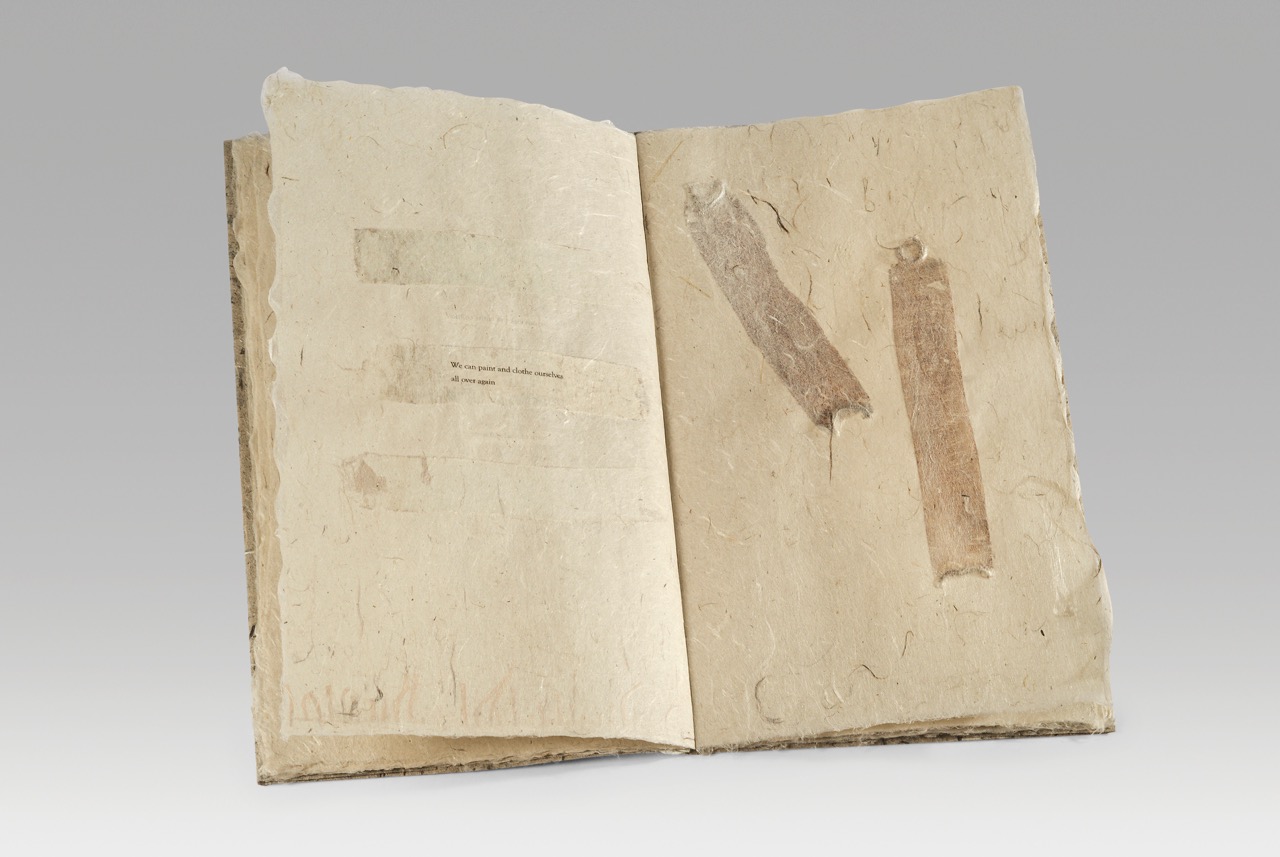
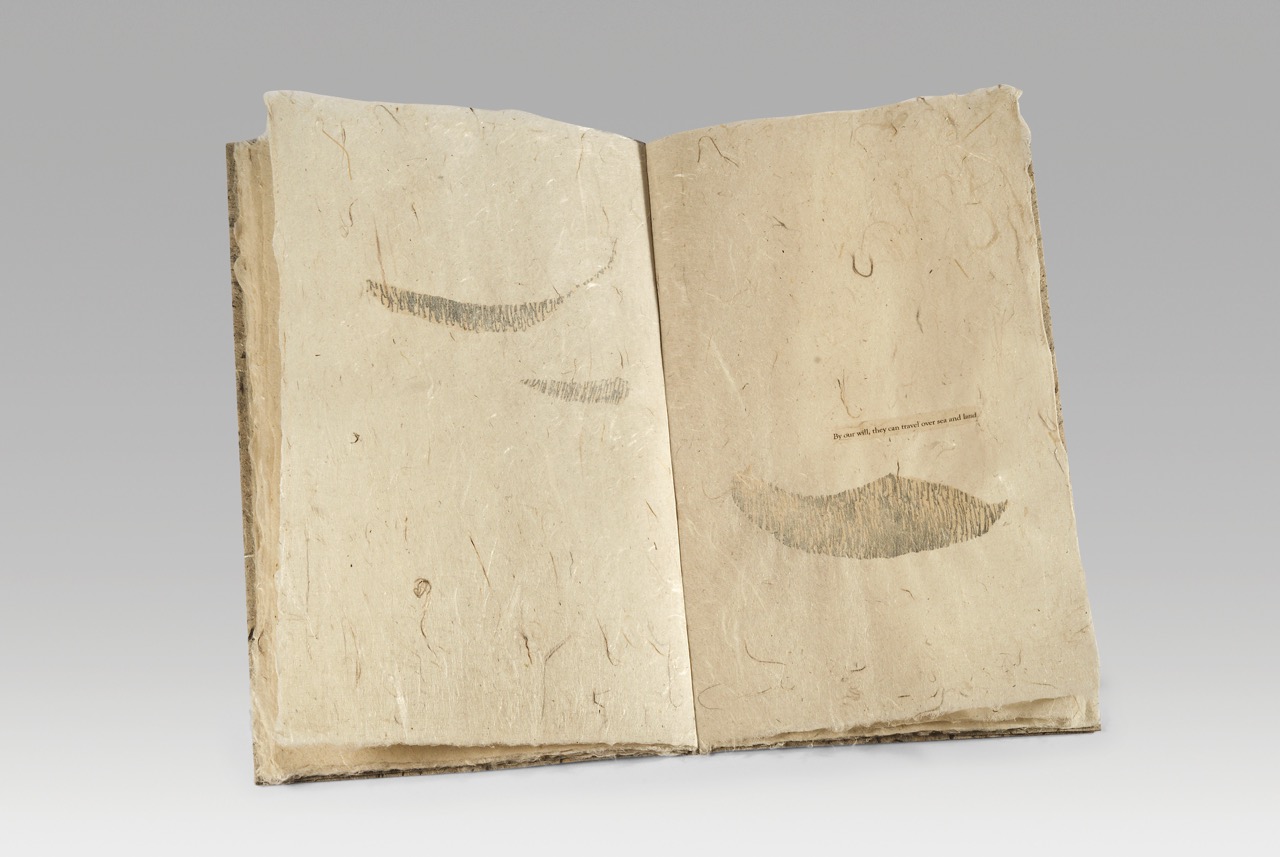
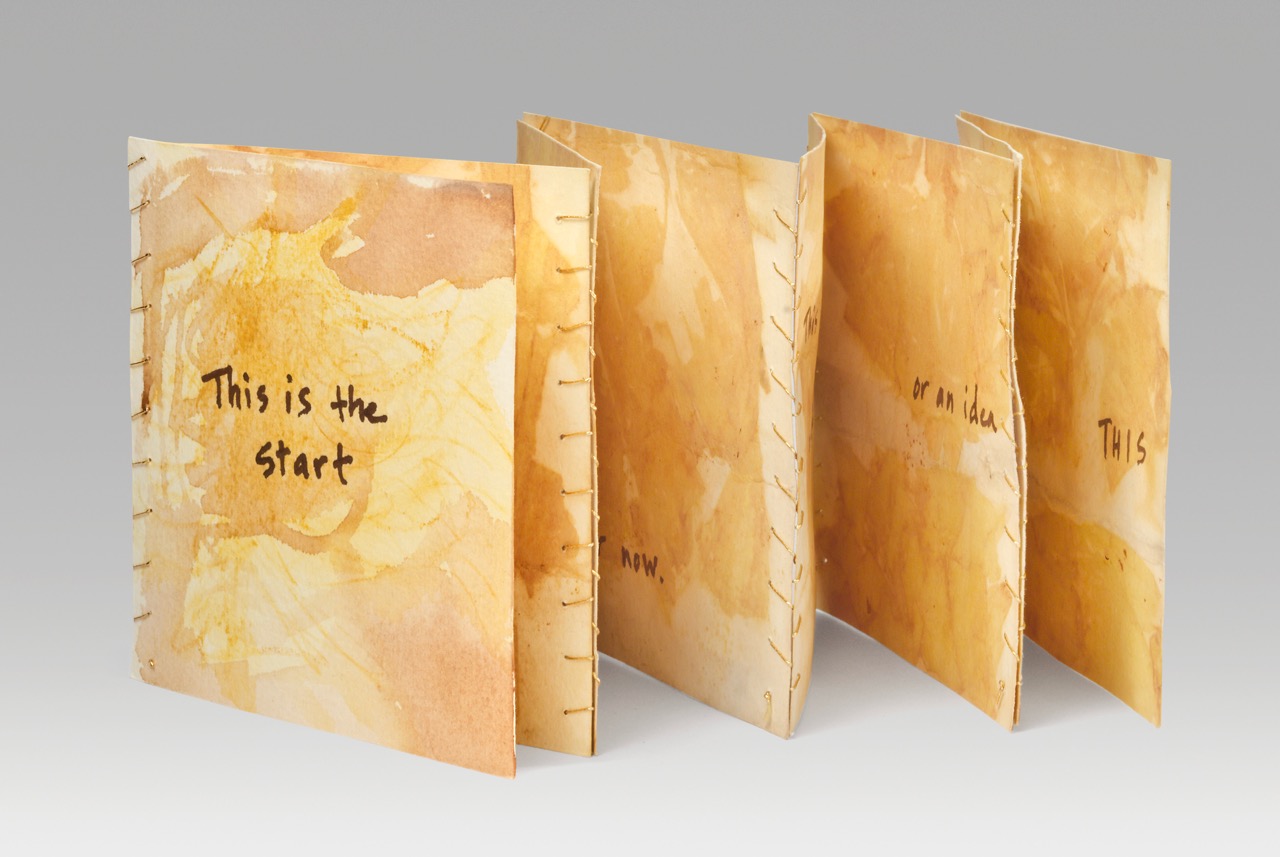
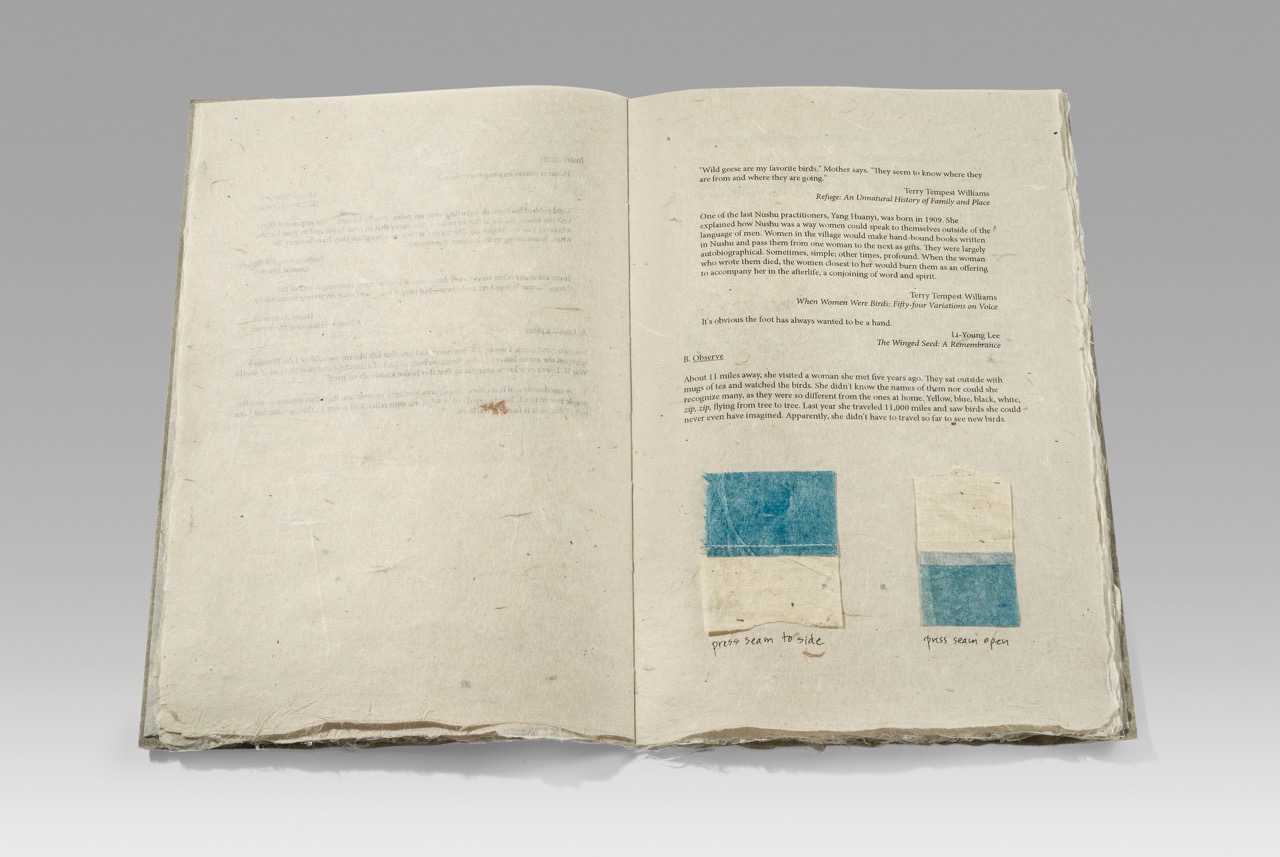
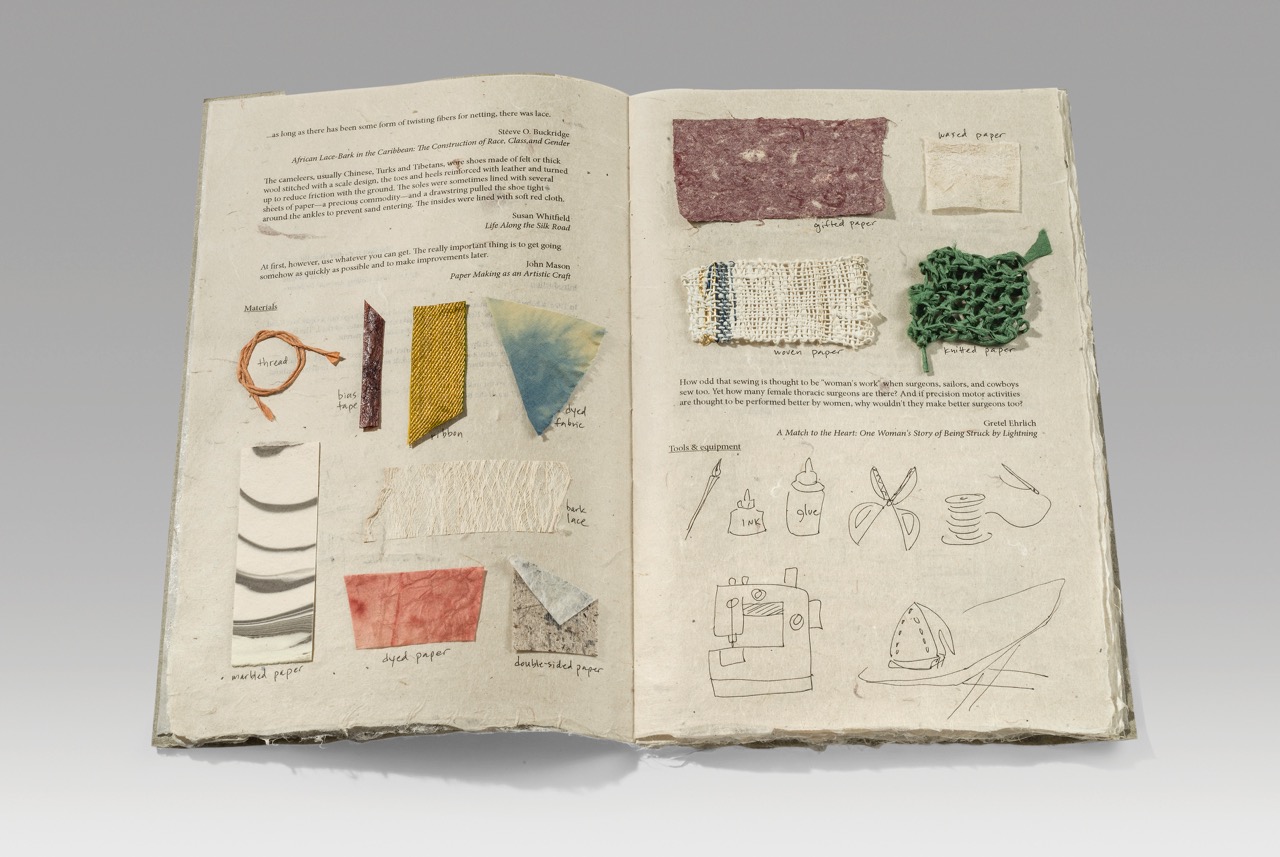
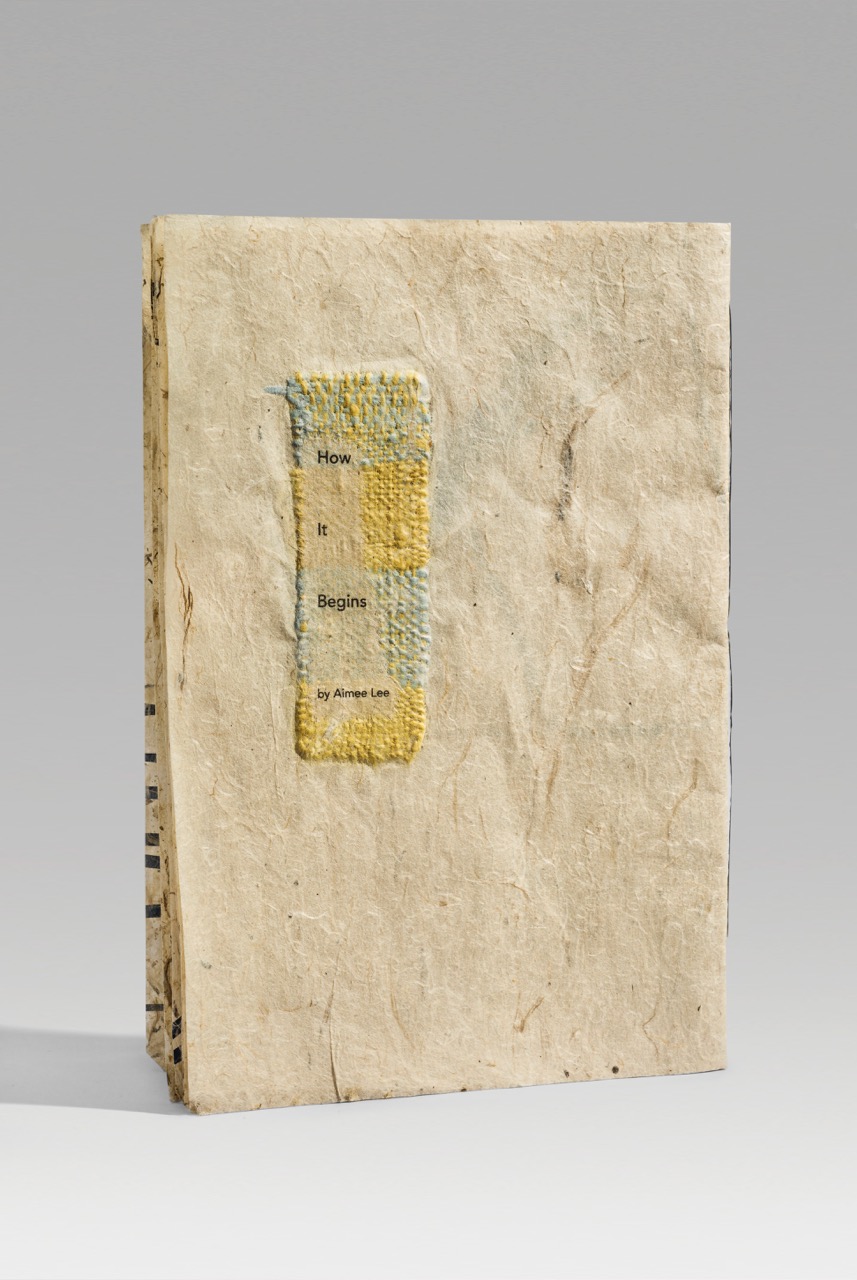
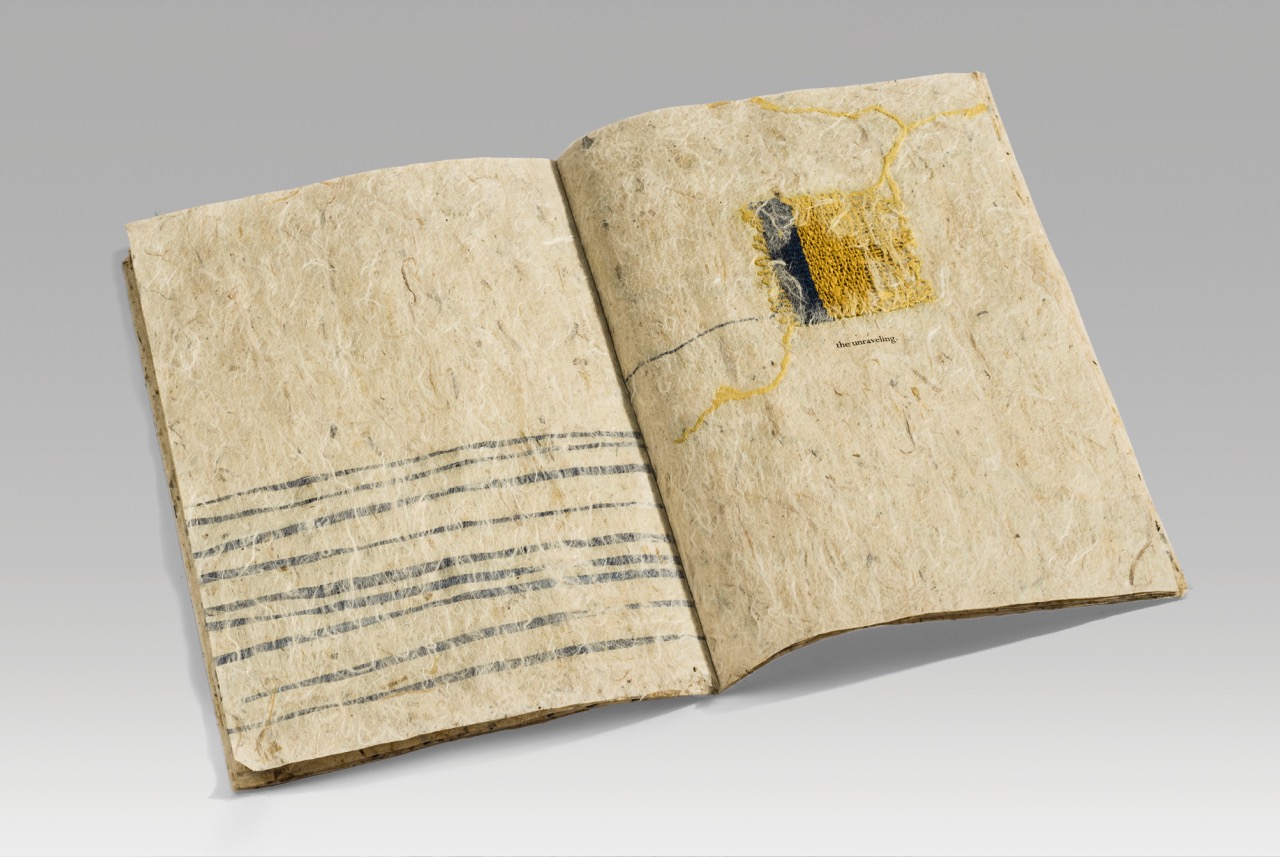
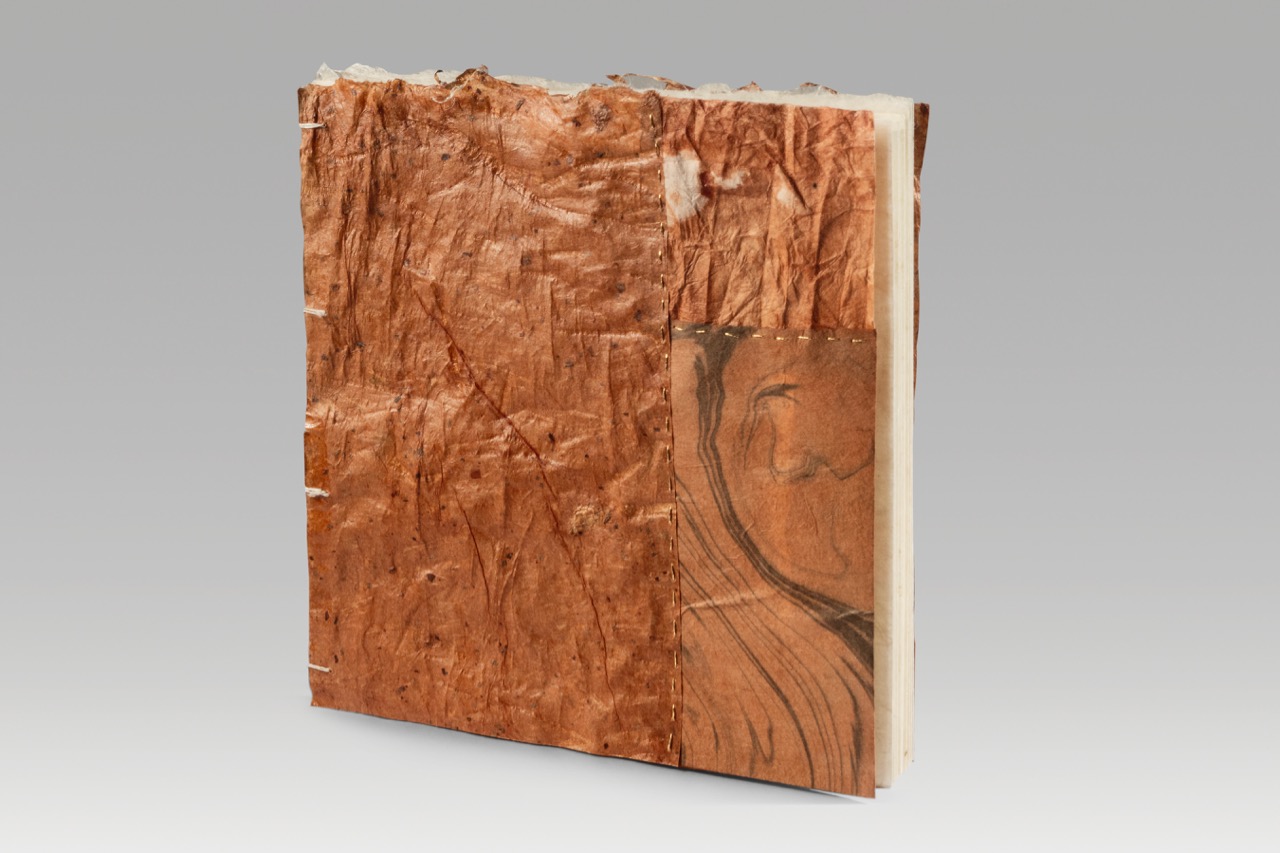
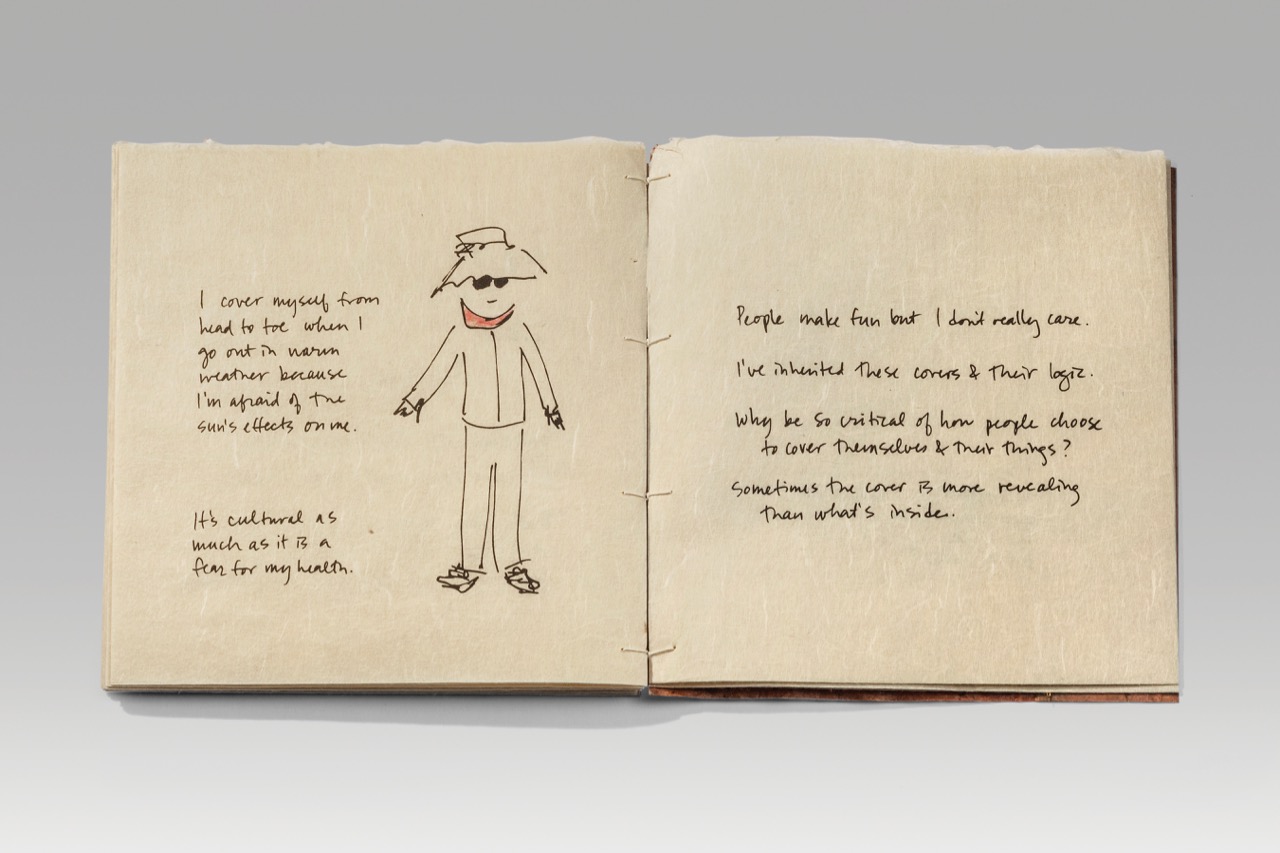
Covered (2019). Natural dyes and inkjet print on handmade paper, thread. 7.5 x 7.45 x 0.5" closed, 11 pages, variable edition of 10.

Covered (2019). Natural dyes and inkjet print on handmade paper, thread. 7.5 x 7.45 x 0.5′ closed, 11 pages, variable edition of 10. Collections of Oberlin, Indiana University Wells Library, Iowa State University Parks Library, Los Angeles Public Library, UNC Greensboro Library, Cynthia Sears Collection, private collections.

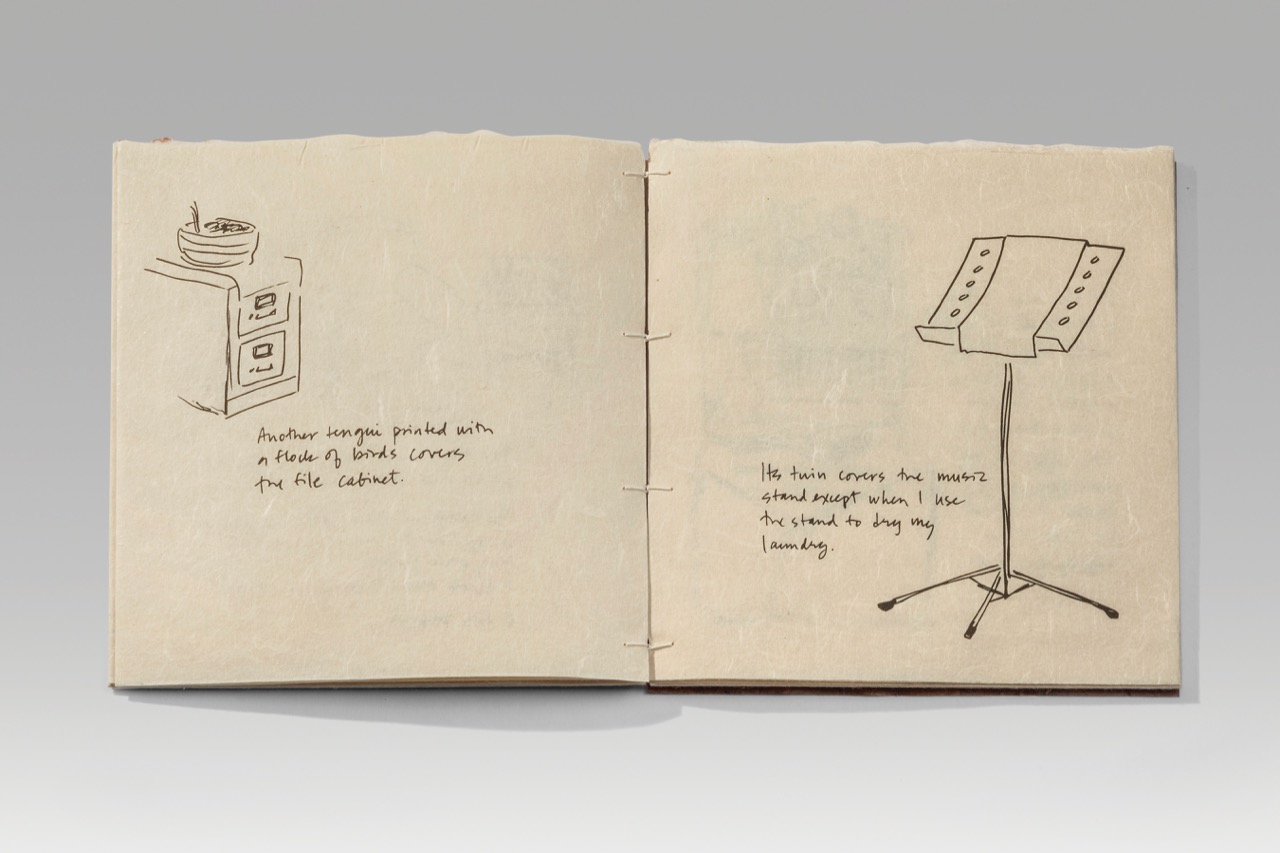
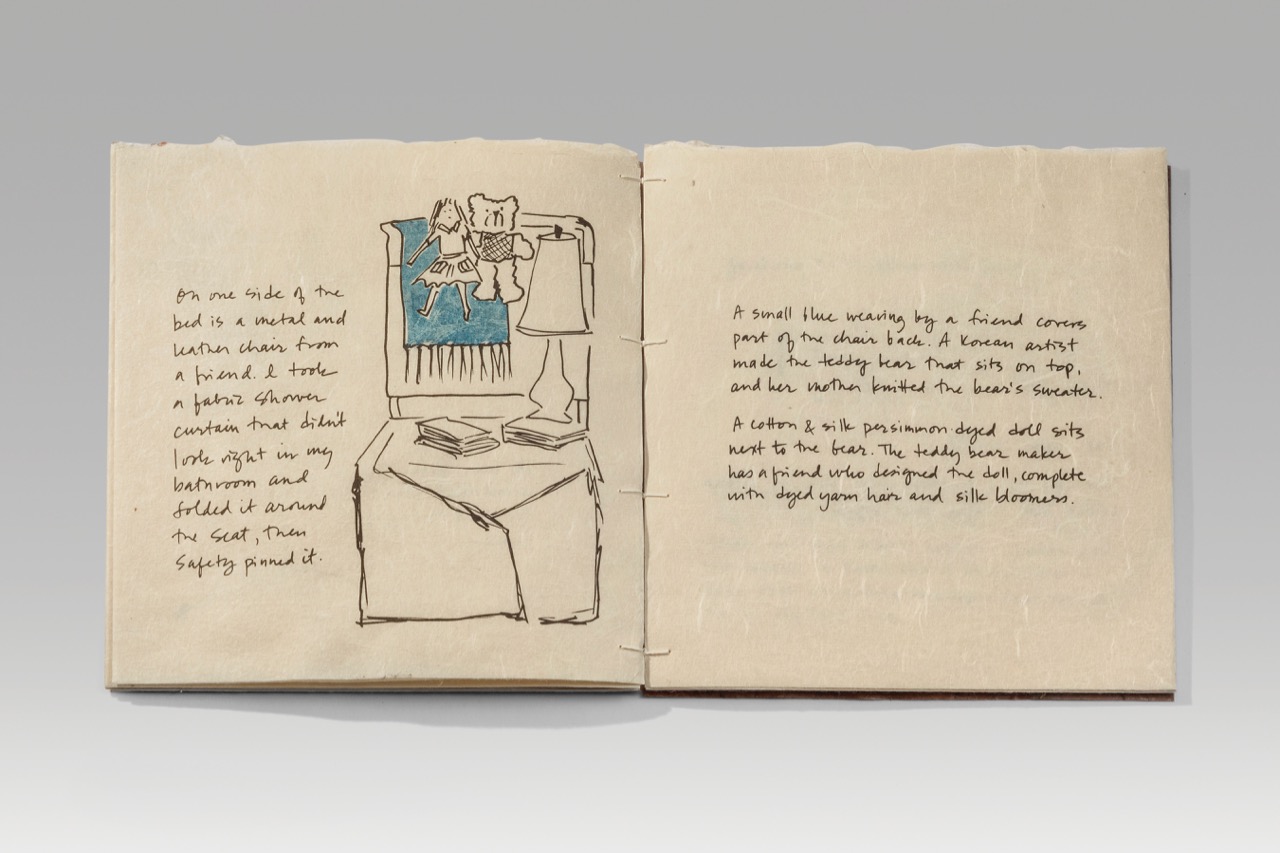
I wrote and drew Covered after someone noted that a great many surfaces in my home were covered in some kind of way. I live alone and was completely unconscious of this tendency, though sometimes in the past I had noted how my mother used textiles to cover the piano or the air conditioner wall unit.

When I looked at my home with fresh eyes, I was amazed by what I had done. This book is not an exhaustive catalog of all the covers and their purposes, but a window into the objects I chose to place in my home and the stories behind them. Colors and patterns are described but mostly left to the imagination in the accompanying illustrations. From time to time, real color appears as tipped-in handmade paper that I dyed with plant materials. The way I clothe my furniture and belongings is not much different from how I get dressed. Even the covers of the book are coated in persimmon juice: a protective coating rather than a dye that protects from moisture, insects, and dust. Though the edition is variable, each version is made from paper mulberry fibers that I hand processed and pulled in my hanji vat (which itself is a box covered with pond liner to act as waterproofing. From a distance, it looks like black draping).

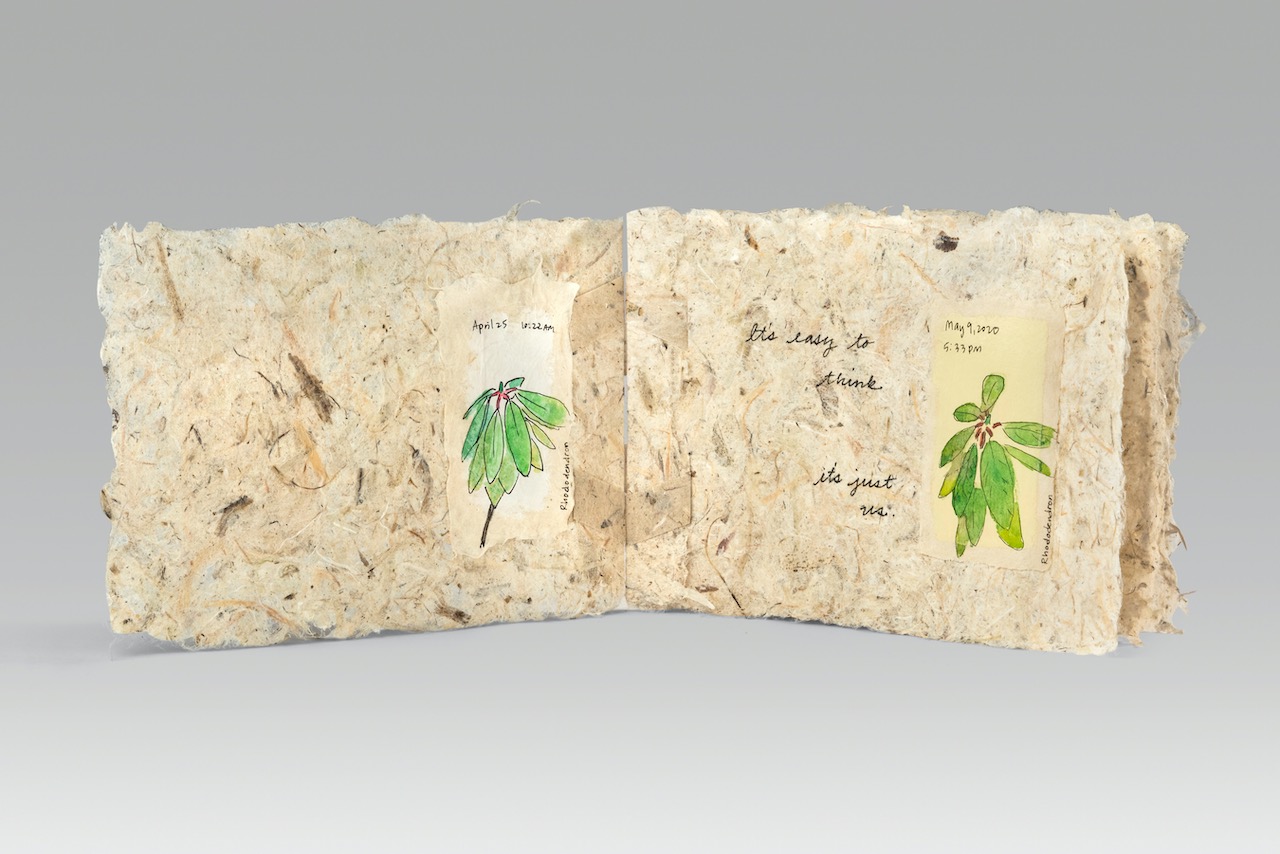
One rhododendron bush in May 2020
How it Begins

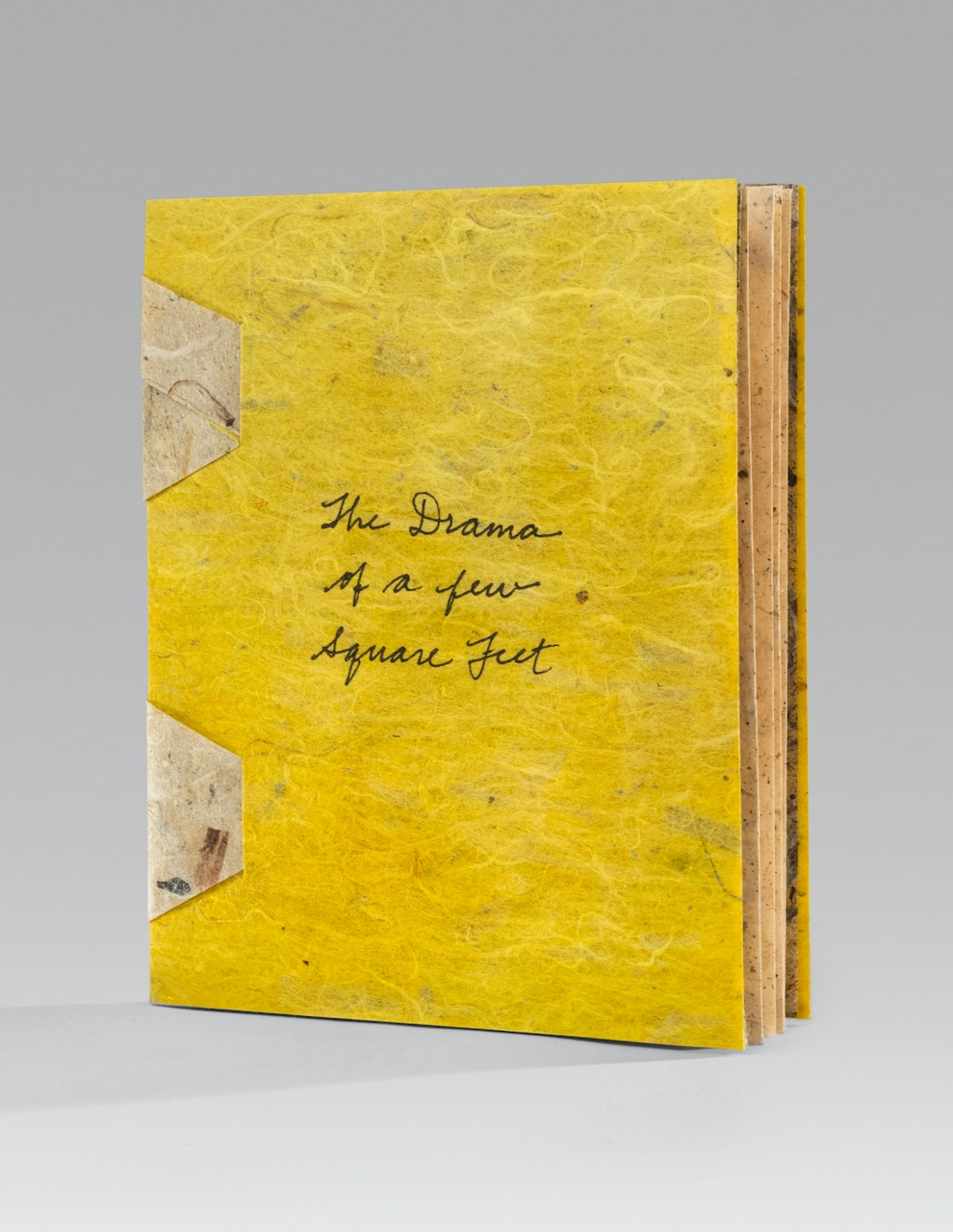
The Drama of a Few Square Feet

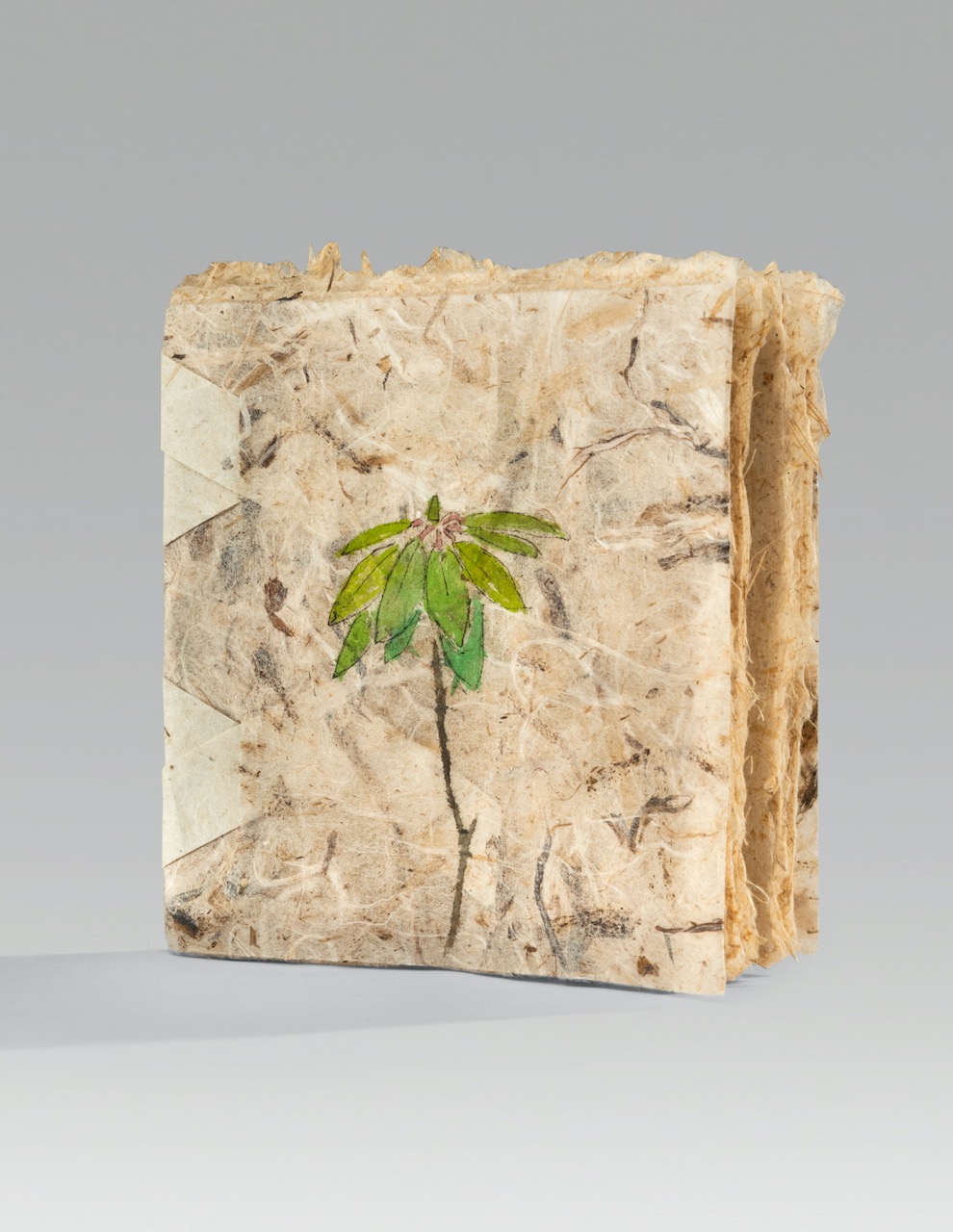
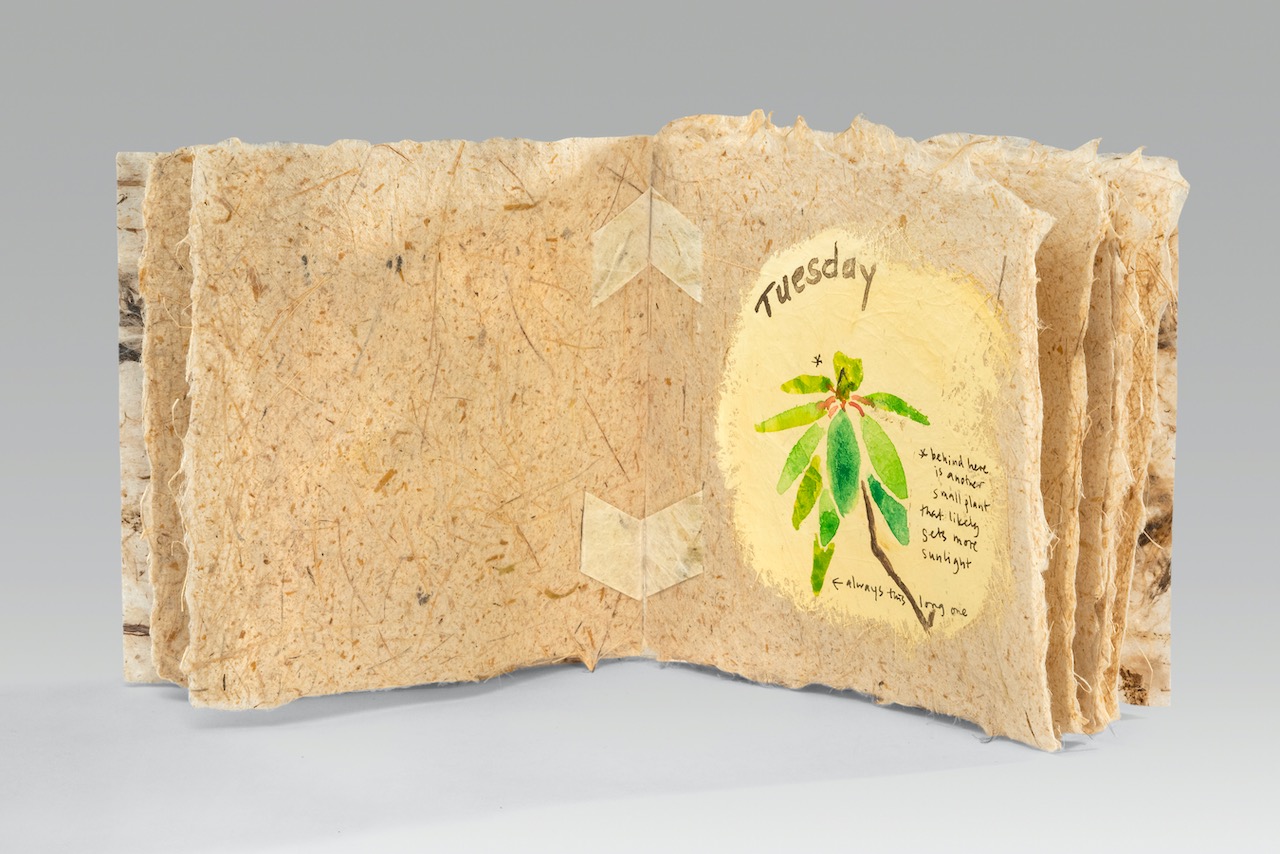
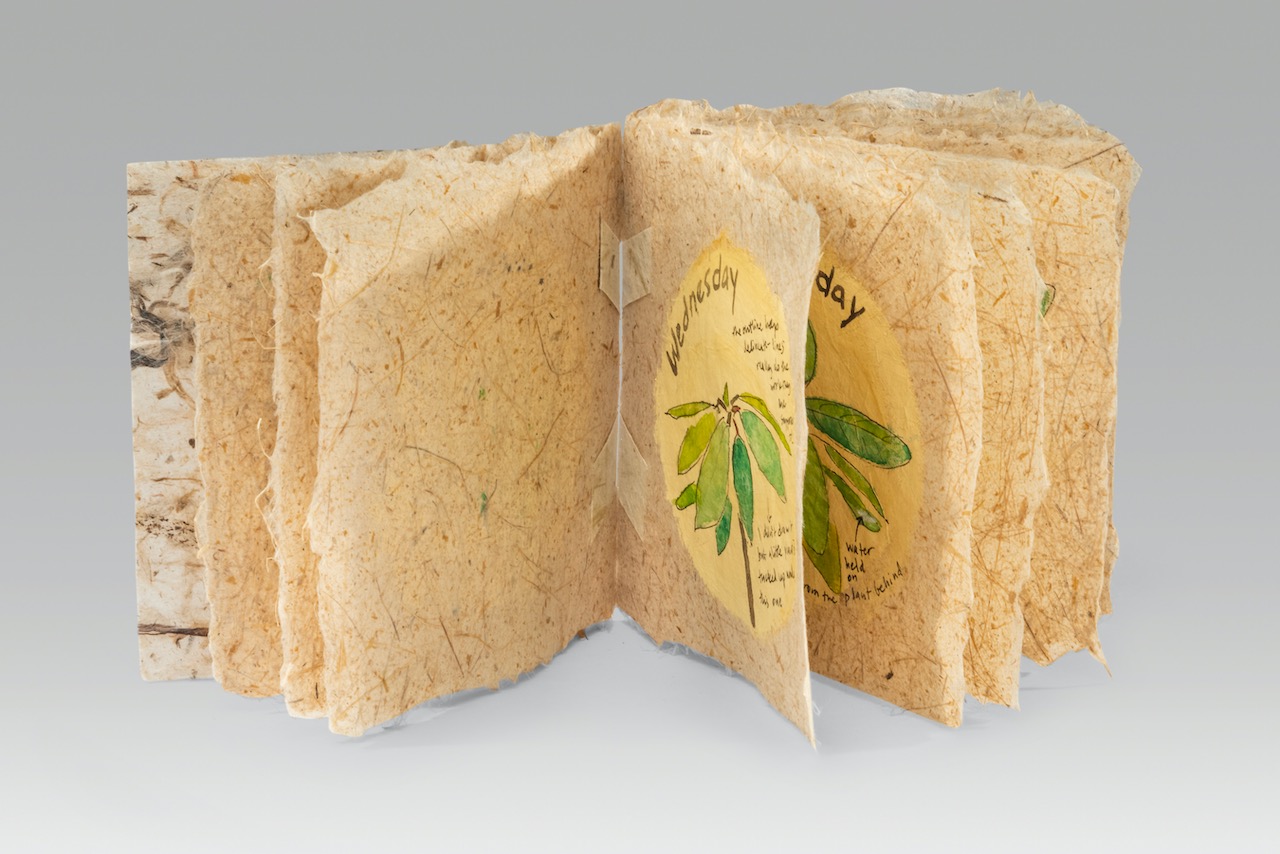
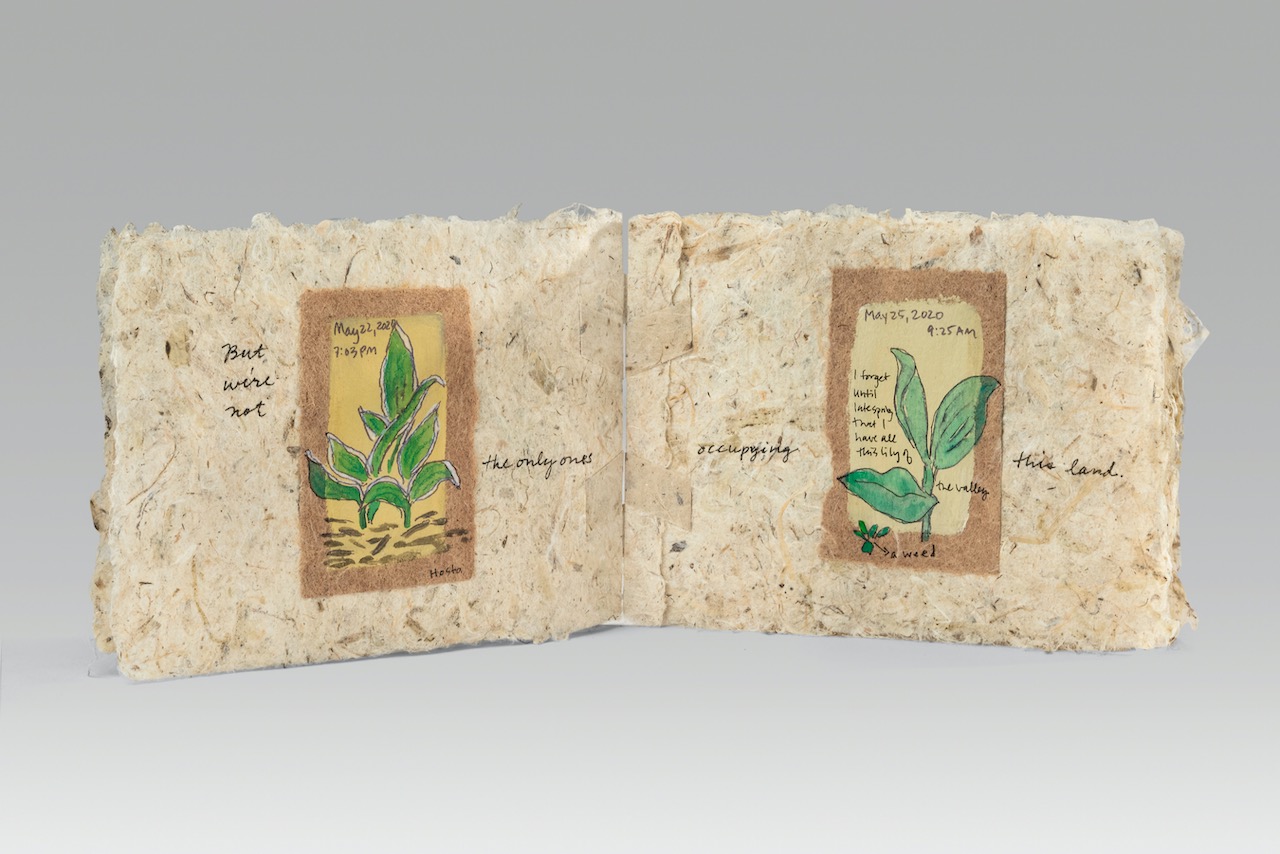
The Drama of a Few Square Feet (2020). Acrylic and gouache on Wake Robin papers, thread, marigold dye (6 leaves, mulberry & milkweed covers, milkweed endsheets, mulberry chiri pages). 5.3 x 4.25 x 0.5”. Private collection.

The Drama of a Few Square Feet (2020). Acrylic and gouache on Wake Robin papers, thread, marigold dye on handmade papers.

Version 1: 6 leaves, mulberry & milkweed covers, milkweed endsheets, mulberry chiri pages. 5.75 x 4.25 x 0.74”. Private collection.
Version 2: 6 leaves, mulberry & milkweed covers, milkweed endsheets, mulberry chiri pages. 5.3 x 4.25 x 0.5”. Private collection.
Version 3: 7 leaves, milkweed covers, yucca endsheets, salago pages. 5.5 x 4.5 x 0.5”. Cynthia Sears Collection.
Version 4: 6 leaves, milkweed covers & endsheets, salago pages. 5.75 x 4.4 x 0.5”. Oak Spring Garden Foundation.

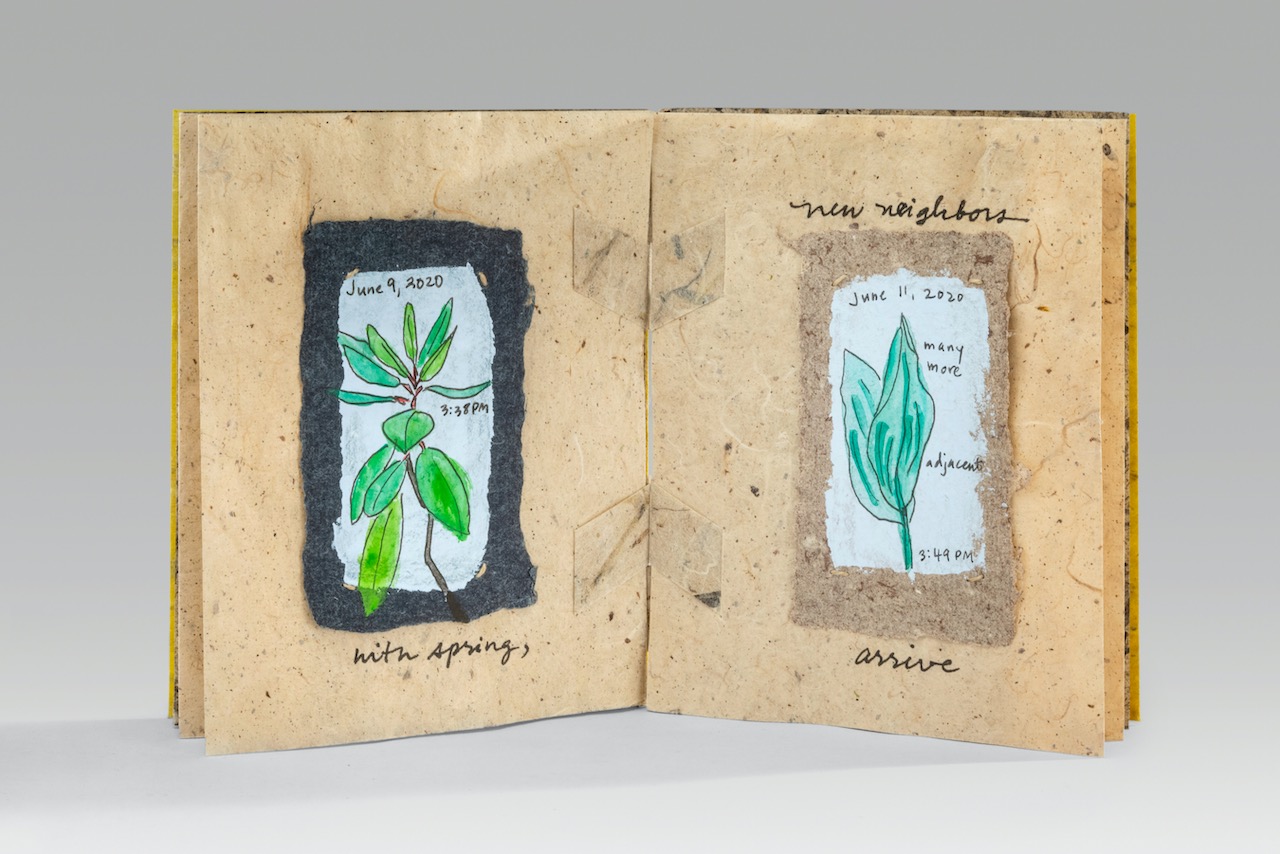
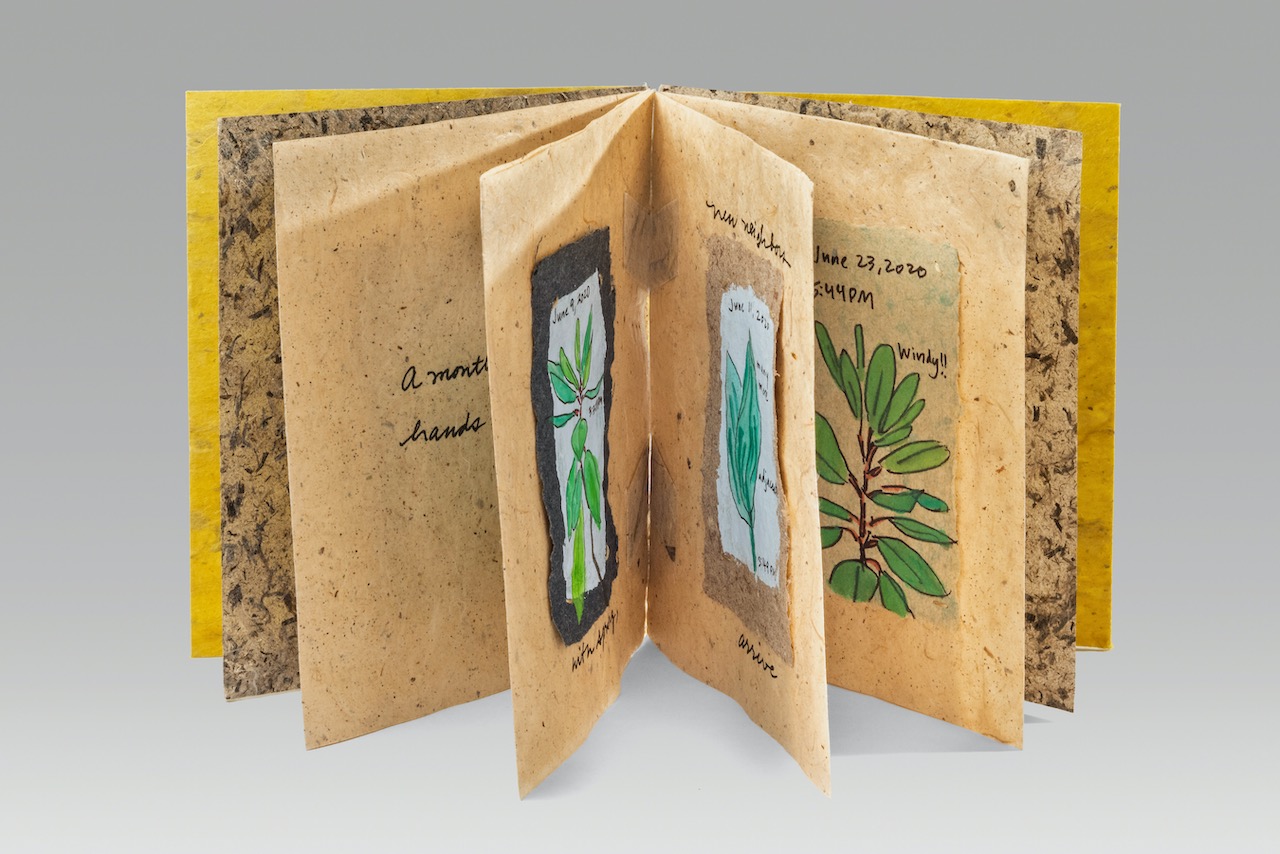
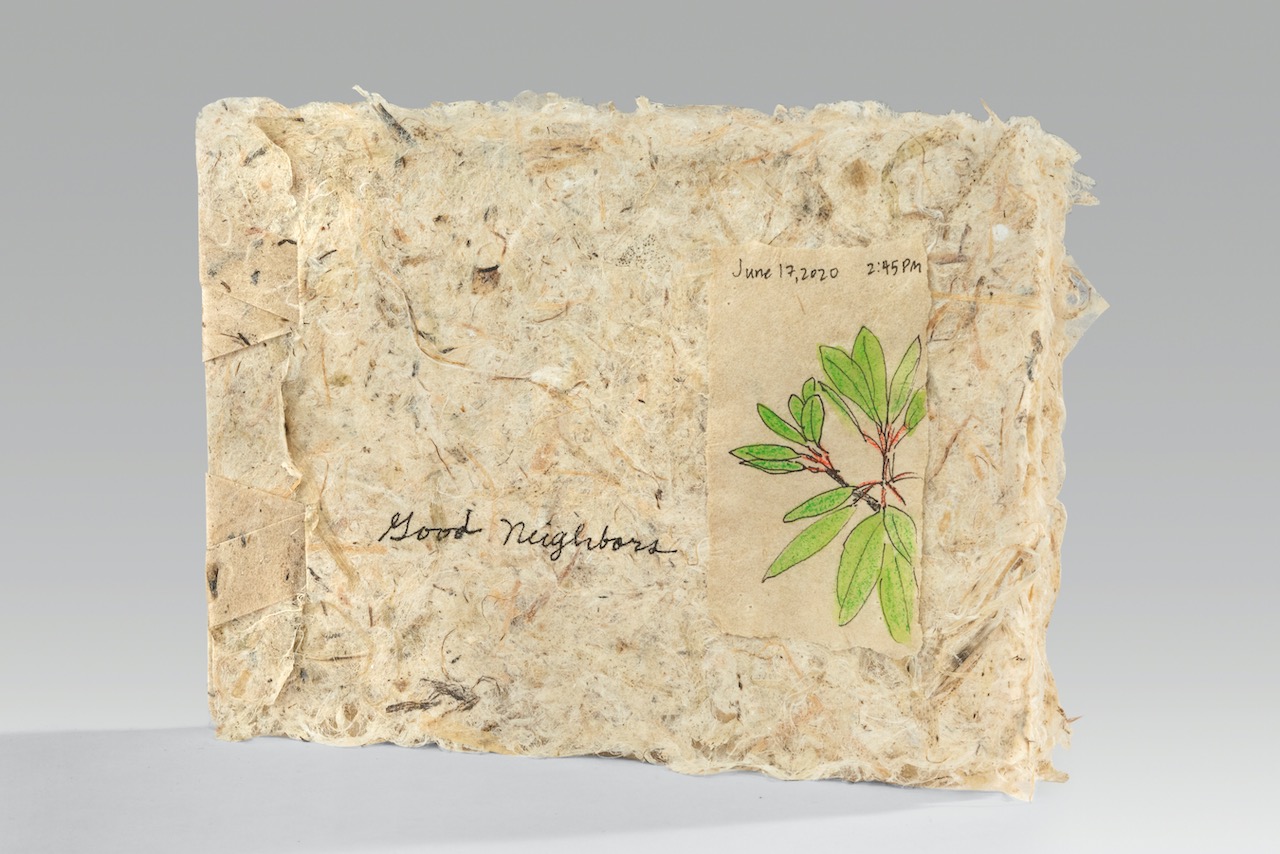
When lockdown began in early March 2020, to stay sane I began to draw a rhododendron bush in my front border that I could see from my living room. I sat there almost every day and drew the plant, adding a time and date to each drawing. This practice was encouraged and supported by a Covid-19 relief grant from OSGF after I began. The first drawings were in my sketchbook, but I eventually made smaller drawings on tiny pieces of handmade paper from a colleague (Velma Bolyard of Wake Robin). On occasion I would also draw a few other plants in the border as they appeared as the weather warmed. I brought all the drawings to Oak Spring for my residency in July/Aug 2020 as well as my own larger paper in hopes of practicing more 100% paper structures that involve cutting and folding paper and using paper straps rather than sewing books with needle and thread. I have made these books for years, inspired by Woven and Interlocking Structures by Claire Van Vliet and Elizabeth Steiner.

My artists’ book looks at the tiny ecosystem of my front border, which is only a few square feet, and how it grows and persists. Of course I was also consumed by bigger problems in the world, and how so many situations replicate themselves in small and large systems: how we tolerate “other” people and become good neighbors (the way that some plants do, and also how my plants survive in a small, shady, acidic, clay border), how we survive the weather (do we lose limbs, leaves, or pieces of our shelters), and how we behave in different climates (being compliant to certain forces like the sun or the police, or taking time to rest when it is cold).
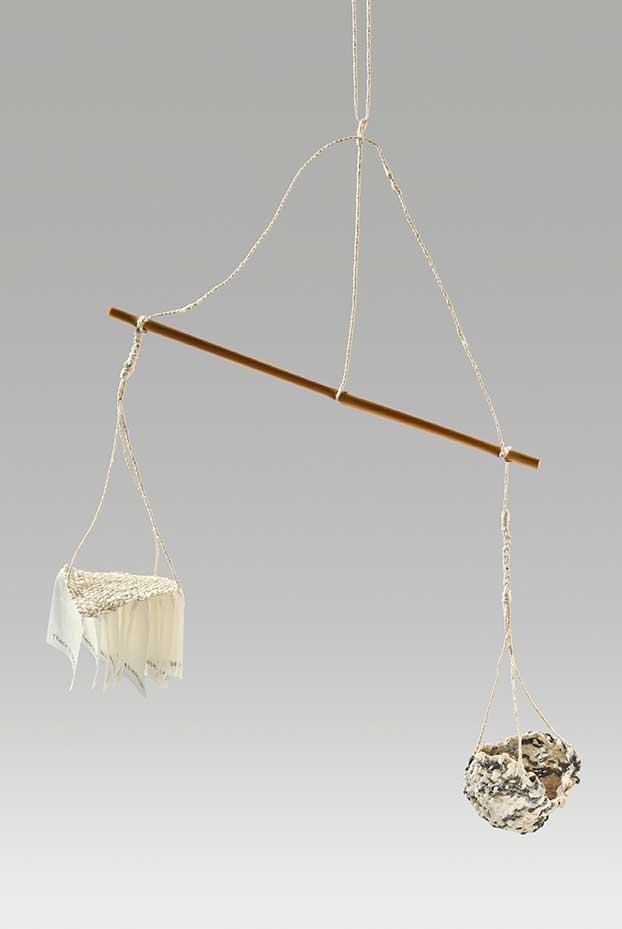
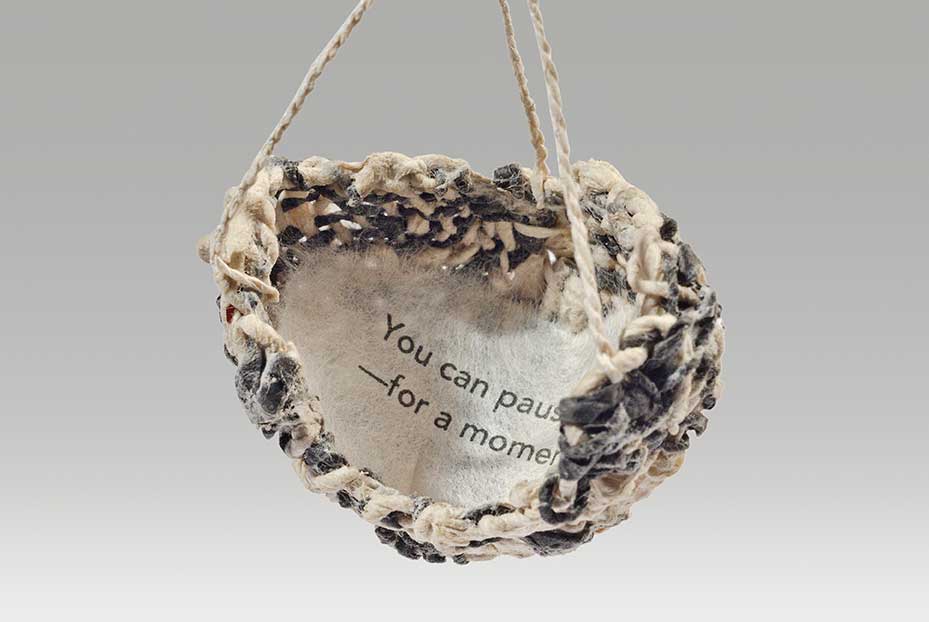
Good Neighbors
One rhododendron bush in May 2020

Contact

  Questions? See Q&A

Inquiries & sales: contact@aimeelee.net

Subscribe to my newsletter

Back To Top